

Pork Fat: Lard, Rendering & Why It’s Worth Saving

Pork fat is not simply trim to discard. When handled and rendered properly, it can become lard: a traditional cooking fat useful for frying, roasting, baking, and other everyday kitchen tasks.

Not All Pork Fat Is the Same
Fat from different areas of the hog can vary in texture and flavor. Leaf fat, found around the kidneys and loin area, is especially prized for rendering because it can produce a relatively mild lard. Other clean pork fat can also be rendered and may have a more pronounced savory character.
What Rendering Means
Rendering is the process of slowly heating fat so that the liquid fat separates from water, connective tissue, and small pieces of solid material. Low, controlled heat is important. The goal is to melt the fat gradually rather than fry or scorch it.
Cutting or grinding the fat into smaller pieces helps it render more evenly. Once the liquid fat has separated, it can be carefully strained into a clean, heat-safe container.
Ways to Use Rendered Lard
Rendered pork fat can be used for roasting vegetables, frying potatoes or eggs, greasing pans, sautéing, and in recipes that traditionally call for lard. Mild leaf lard is also valued by many bakers for pastry.
Storage Matters
Clean handling, thorough rendering, and appropriate storage all affect quality. Refrigeration or freezing is a practical choice for home-rendered lard, especially when you want to preserve it for longer periods.
Part of Using More of the Animal
One advantage of buying directly from a ranch or purchasing a larger share is seeing more of what an animal provides beyond familiar retail cuts. Fat, bones, roasts, chops, and trim each have different uses.
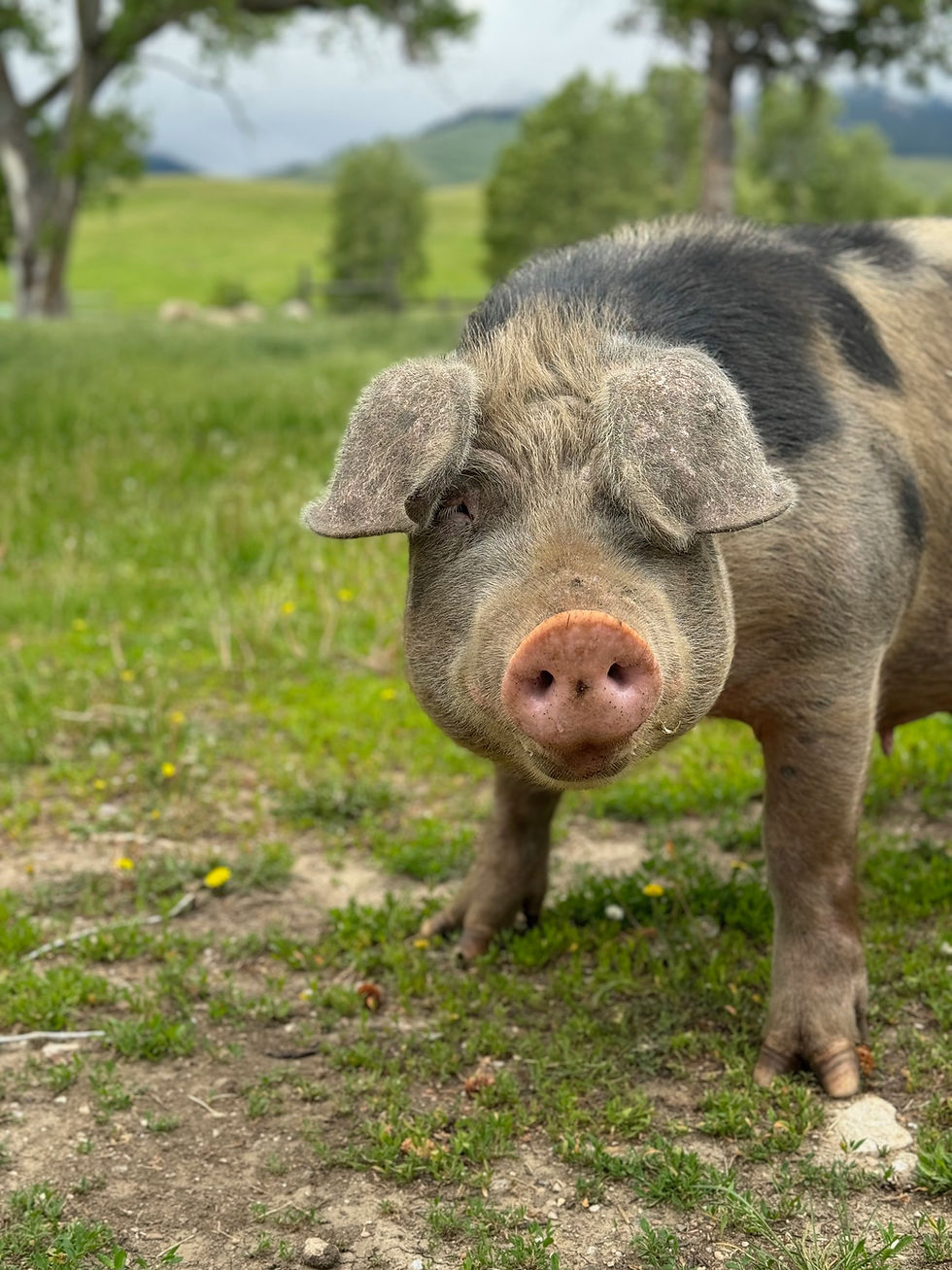
Our Heritage Pork comes from pasture-raised Mangalitsa × Old Spot hogs. Learning how to use the less-familiar parts of the animal can stretch a bulk purchase further while reducing what gets overlooked in the freezer.


Comments