

Regenerative Farming: A Path to Sustainability

“Regenerative” has become one of the most talked-about words in food.
It is also one of the most misunderstood.
At Big Horn Mountain Farms, we think the best way to talk about regenerative farming is simply: stewardship you can see over time. It is not a buzzword. It is a management mindset that prioritizes land health, water, and long-term productivity.

What regenerative farming actually means
There is no single universal checklist that fits every farm, ranch, climate, and landscape. What matters is whether the system supports long-term outcomes.
The United States Department of Agriculture describes sustainable agriculture as balancing environmental quality, efficient use of resources, economic viability, and quality of life for farmers and society.
That is why regenerative farming is best understood as a path, not a perfect label:
improve soil function
protect water
support resilient forage systems
maintain a working ranch that can stay viable for the long term
Why soil health is central to the conversation
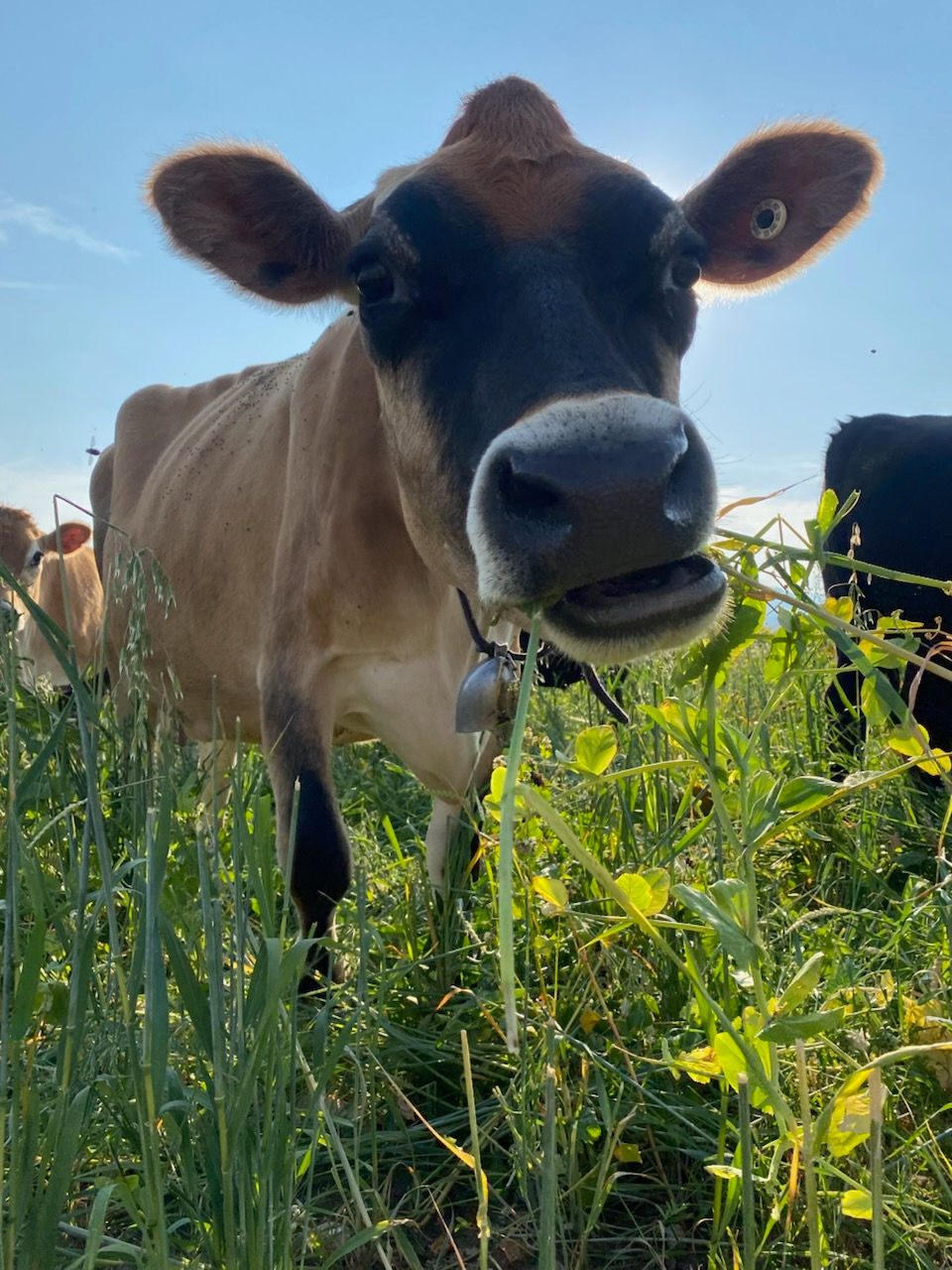
Healthy soil is not only a crop issue. It is also a grazing issue.
The Natural Resources Conservation Service notes that poorly managed grazing can harm soil health, and that rotational grazing systems can help pasture plants rest and regrow compared with continuous grazing.
That matters because pasture recovery affects:
plant vigor
ground cover
erosion risk
nutrient cycling
future forage production
In plain terms: a ranch cannot be sustainable if the pasture is being mined.
Regenerative does not mean “hands-off”
One of the myths in food marketing is that better farming means doing less.
In reality, regenerative-minded management usually requires more attention:
more observation
more timing decisions
more fencing and water planning
more adaptation to weather
more recordkeeping
The United States Department of Agriculture Climate Hubs also note that rotational grazing can improve resilience, but they are clear that success depends on proper management and infrastructure.
What elevated customers should look for
If you want to support land stewardship with your food dollars, ask better questions:
How are animals managed on pasture?
How does the ranch think about rest and recovery for forage?
What does the ranch do to protect long-term productivity?
Can they explain their practices clearly?
The right producer does not need a perfect script. They need a real system.
Why this matters beyond the ranch gate
Regenerative and sustainable practices are not only environmental ideas. They are also quality ideas.
Land stewardship affects forage. Forage affects animals. Animal management affects consistency. And consistency is what premium customers notice — especially when they are serving guests, feeding family well, or stocking a freezer on purpose.
That is why we believe thoughtful agriculture and premium meat belong in the same conversation.
The Big Horn Mountain Farms perspective
We believe the future of premium meat is not louder claims. It is better stewardship, better transparency, and better customer education.
For customers who value quality and traceability, bulk buying can also be part of a more responsible system. It supports whole-animal planning, reduces last-minute buying, and helps households purchase with intention.
If you want to buy from a ranch with a stewardship-first mindset, follow along with our ranch education posts and explore our bulk reservations for a more intentional freezer plan.

Comments