

Regenerative Pastures: Healing the Land, Raising Better Beef

At Big Horn Mountain Farms, we don’t just use pastures—we build them. Regenerative grazing means we rotate herds through smaller paddocks so grasses get real rest, root systems grow deeper, and soil life rebounds. Healthy soils act like sponges, holding moisture, cycling nutrients, and supporting the native plants we all love seeing in the Bighorns. That’s the foundation of flavor and tenderness in every cut we sell.
When soil organic matter climbs, water infiltration improves and pastures stay resilient through Wyoming’s dry spells. Managed grazing also helps keep soil where it belongs and reduces runoff into streams—good for our cattle, good for the watershed, and good for our neighbors.
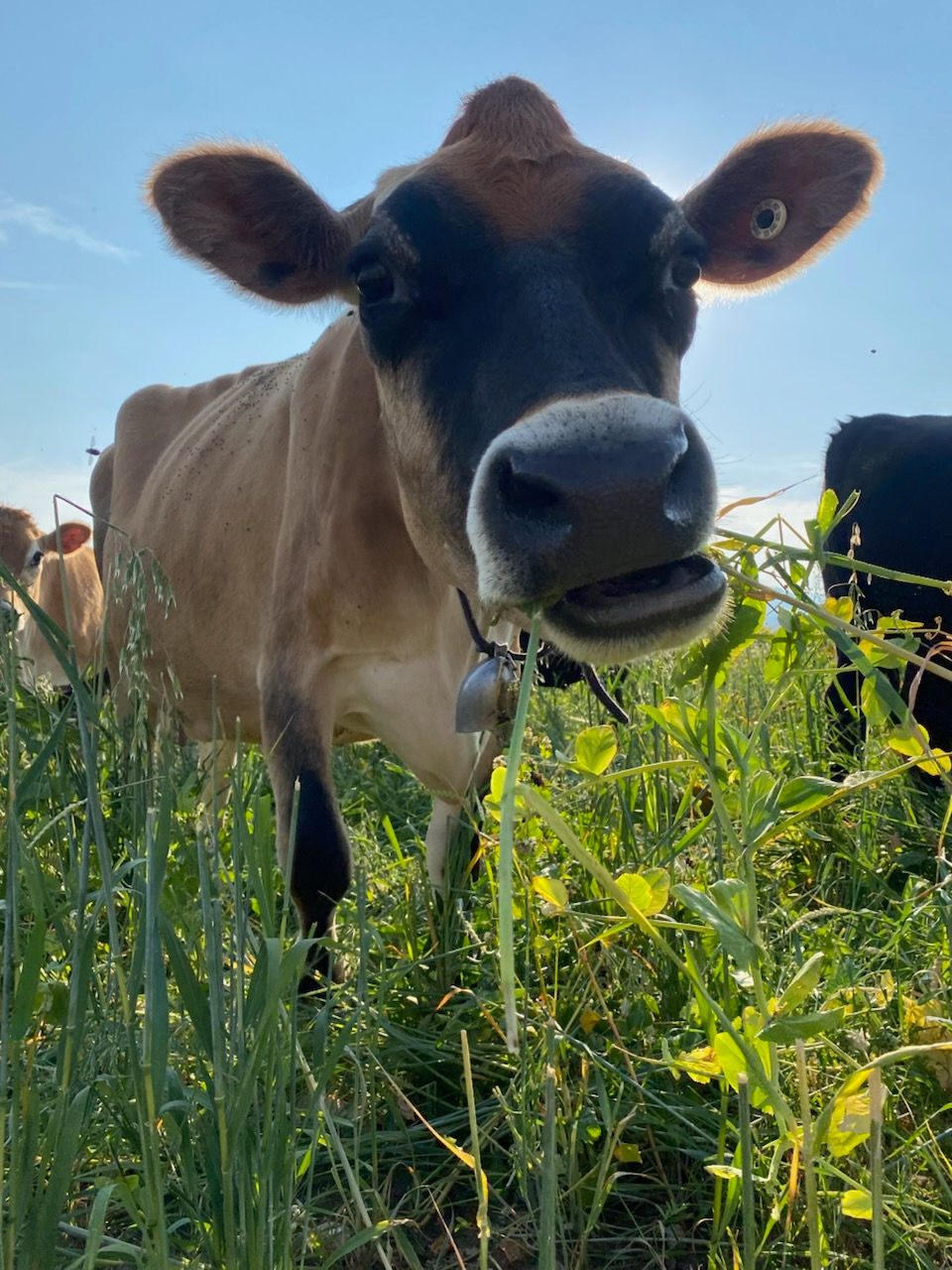
Healthier land grows denser, more diverse forage, which supports animal health without leaning on shortcuts. As the plant community recovers, we see better forage quality and more even grazing behavior—both linked to calmer animals and lower stress. Less stress, better nutrition, better beef.
This approach is about more than grass. It’s a promise to leave our pastures stronger each season, to steward the land that feeds our herd, and to keep your food story transparent and local. We believe the care we put under our cattle—down in the soil—shows up on your plate.
That’s why our beef tastes the way Wyoming should: clean, richly flavored, and consistently tender. Regenerative practices are one big reason our beef is so good—from pasture to plate, the land is doing half the cooking.


Comments