

Inside Big Horn Mountain Farms' Sustainable Practices

Updated: May 11
At Big Horn Mountain Farms, we do not treat sustainability like a finished badge. We treat it like a daily standard of care.
For us, that means making decisions that support the long-term health of the ranch, the animals in our care, and the families who trust us to feed them well. It also means being honest about what sustainability is: a balancing act between environmental stewardship, operational practicality, and economic viability — a balance reflected in how the United States Department of Agriculture defines agricultural sustainability.
1. We Start with Stewardship, Not Shortcuts
Premium meat starts with the production system. Our approach is built around intentional animal care and practical ranch stewardship, with a focus on quality over volume. This includes paying attention to pasture conditions, animal needs, and day-to-day consistency rather than chasing speed alone.
This matters because production choices shape the final product — not just in appearance, but in consistency and eating experience.
2. We Value Pasture Management as Part of Quality
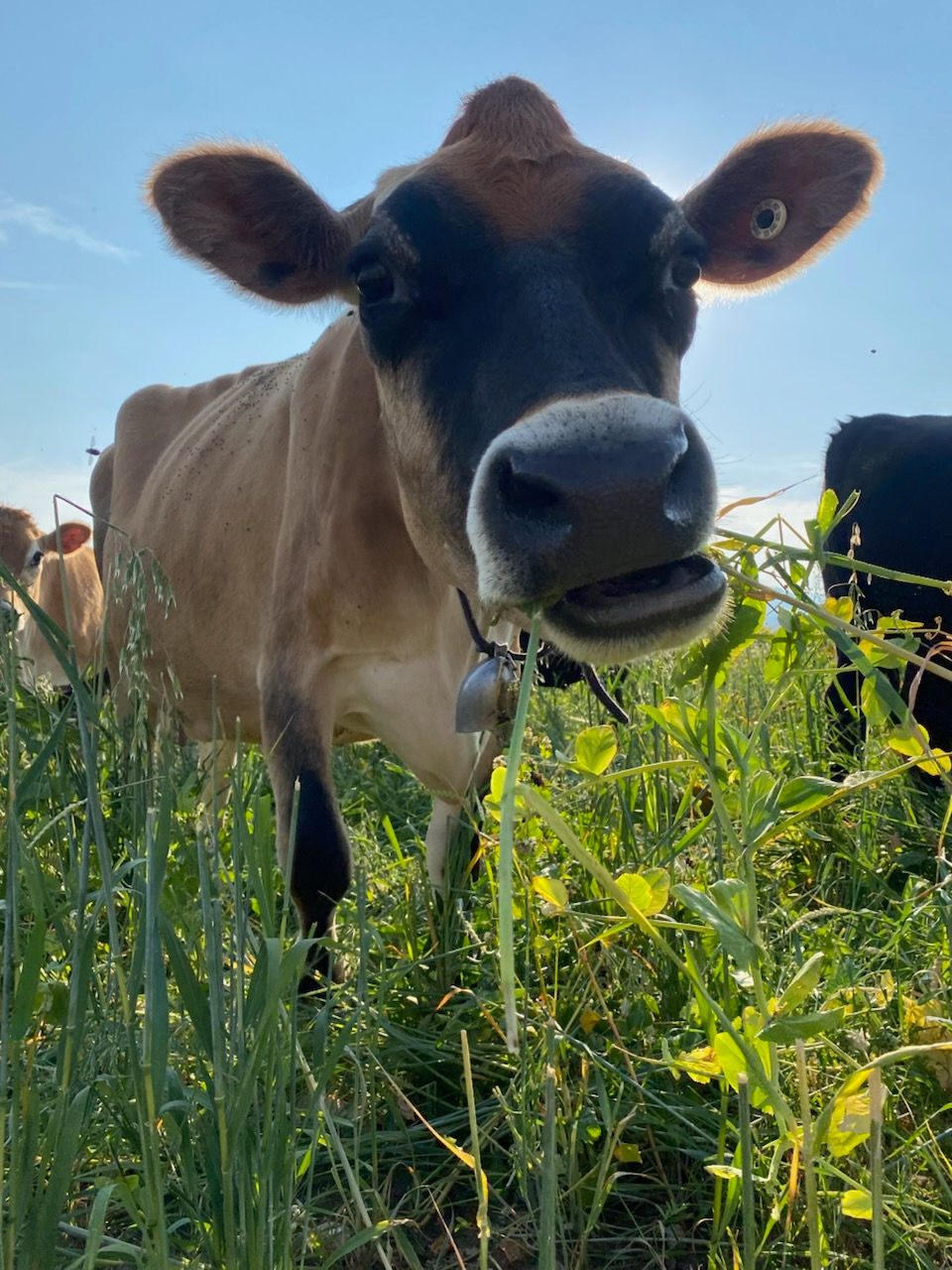
Pasture is not just a backdrop. It is part of the system. The Natural Resources Conservation Service notes that grazing management directly affects soil health, and that rotational grazing approaches can help pasture plants rest and regrow.
That principle matters to us because better pasture management supports:
Healthier forage cycles
Better ground cover
Long-term productivity
More thoughtful animal management
3. We Prioritize Traceability and Direct Relationships
One of the biggest differences in buying direct from a ranch is transparency. Our customers are not buying anonymous products from a chain of middlemen. They are buying from people they can ask questions, follow, and learn from. That level of traceability builds trust — especially for customers who care deeply about where their food comes from and how it was raised.
For many households, that trust is just as valuable as the cut itself.
4. We Believe Sustainability Includes Business Viability
A truly sustainable ranch model must be able to continue. The United States Department of Agriculture includes economic viability and quality of life as part of agricultural sustainability — not as an afterthought, but as part of the definition.
That is one reason we talk openly about bulk reservations, freezer planning, and buying with intention. A stronger direct relationship between ranch and customer supports:
Better planning
More consistent availability
Whole-animal utilization
Less waste across the system
5. We Try to Educate, Not Just Sell
We believe premium customers deserve more than product listings. They deserve context:
What they are buying
Why one cut behaves differently than another
How to cook it well
How to stock a freezer intentionally
What makes ranch-raised meat worth the premium
6. We Communicate Carefully About Animal-Raising Claims
Clear communication matters, especially in premium food. That is why we work to keep our messaging grounded, transparent, and easy to understand — without relying on vague language or inflated promises.
The Standard We Aim For
Our goal is simple: produce meat we are proud to serve and run a ranch business in a way that honors the land, the animals, and the customer. Sustainability is not one practice. It is the discipline of making better choices over time.
For the customer who values quality, traceability, and stewardship, that difference is worth seeking out. If you are building a higher-quality freezer and want a direct relationship with your rancher, explore our bulk beef and pork reservations and follow our educational posts for practical guidance.
Understanding the Importance of Sustainability
Sustainability is not just a trend; it is a commitment. At Big Horn Mountain Farms, we understand that our practices today will shape the future of our ranch and the quality of the food we provide. This commitment to sustainability is reflected in every aspect of our operations.
The Role of Community in Sustainable Practices
We believe that sustainability extends beyond our ranch. It involves the community and the relationships we build. By connecting directly with our customers, we foster a sense of community that values transparency and quality. This connection allows us to share our practices and educate others about the importance of sustainable agriculture.
The Benefits of Pasture-Raised Meat
Choosing pasture-raised meat is not just about taste; it is about health and ethics. Pasture-raised animals are often healthier and produce meat that is richer in nutrients. This is a direct result of their natural diet and living conditions. When you choose our meat, you are supporting a system that prioritizes animal welfare and environmental health.
How to Stock Your Freezer with Quality Meat
Stocking your freezer with quality meat is an investment in your family's health. It allows you to have reliable, high-quality ingredients on hand for your meals. We provide guidance on how to choose the right cuts and how to store them properly for maximum freshness.
The Future of Ranching and Sustainability
As we look to the future, we remain committed to our sustainable practices. We understand that the challenges of ranching are ever-evolving, and we are prepared to adapt. Our focus will always be on producing the highest quality meat while respecting the land and the animals.
If you are interested in learning more about our practices, or if you want to experience the difference of premium pasture-raised beef and pork, we invite you to explore our offerings. Together, we can build a sustainable future for ranching and for the families we serve.


Comments