

What Pasture-Raised Means


Some terms in the meat world sound simple until you try to define them clearly. “Pasture-raised” is one of them.
It is a phrase many shoppers look for because it suggests something important: a closer connection between how an animal was raised and the food that ends up on the table. But it is also a phrase that can be used loosely in marketing, which is exactly why clarity matters.
At Big Horn Mountain Farms, we believe customers deserve more than a good-looking label. They deserve an honest explanation of what they are buying, where it came from, and why it is different.
For us, pasture-raised is not a trend word. It is a practical description of ranch life: animals raised with access to pasture, room to move, and a life shaped by land, weather, forage, and responsible husbandry. That is part of why buying direct from a ranch feels different. You are not just choosing a cut. You are choosing a source.
What pasture-raised means here
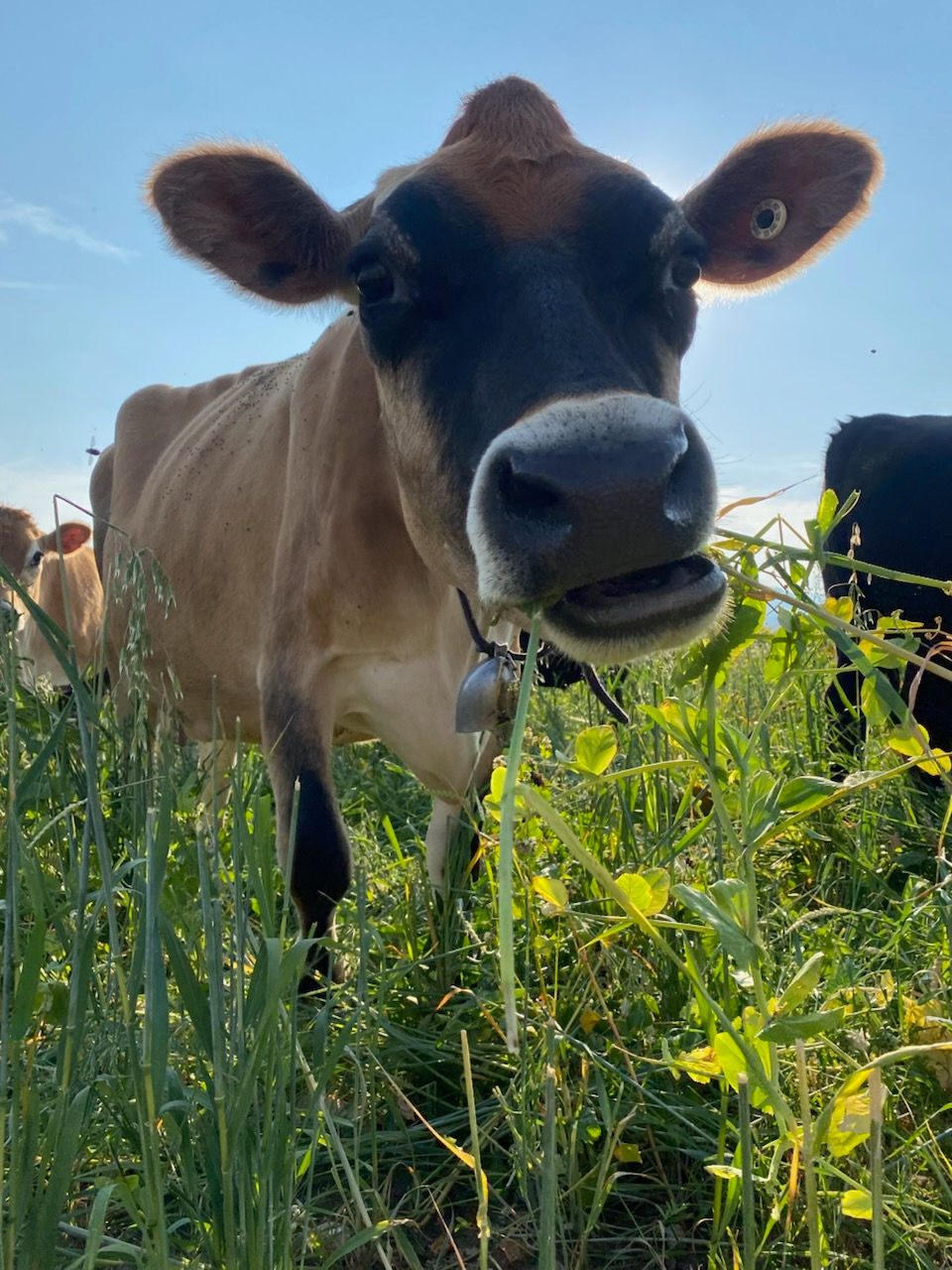
At Big Horn Mountain Farms, when we talk about pasture-raised meat, we are talking about animals raised in a working ranch environment with pasture as a real part of daily life.
That means we care deeply about:
how animals are managed on the land
how they are fed and handled
how closely our customers can trace what they are buying
how honestly we describe the product
For premium buyers, that matters. Good meat is not just about the final cut in the freezer. It is also about confidence in the source.
When you buy direct from a ranch, you are able to ask better questions:
Where was this animal raised?
Who managed it?
What was the ranch standard?
What can I expect from the product in my kitchen?
Those are smart questions, and they are exactly the kind we want customers to ask.
Pasture-raised is not always the same as grass-fed
This is where many shoppers understandably get mixed up.
“Grass-fed” is generally used as a diet claim. In current United States Department of Agriculture guidance, a grass-fed claim means the animal’s diet is derived solely from forage, animals cannot be fed grain or grain by-products, and they must have continuous access to pasture during the growing season.
“Pasture-raised,” by contrast, is commonly understood as describing the animal’s living environment and outdoor access rather than functioning as a single, stand-alone federal feeding standard.
That is why these terms should not automatically be treated as interchangeable. They are related, but they are not identical. At Big Horn Mountains, all our animals are raised on pasture. Customers have the option to choose grain finished (recommended) or grass finished.
What this means for your kitchen
When customers buy from Big Horn Mountain Farms, they are often looking for more than meat. They are looking for confidence and consistency.
They want a freezer stocked with cuts they feel good about serving. They want a ranch they can return to. They want the kind of quality that makes everyday meals feel better and special meals feel worth planning.
That is one reason bulk purchasing makes so much sense for many families. If you already care about source, consistency, and keeping premium staples on hand, buying a quarter, half, or whole is often the most practical next step. It gives you the value of a well-stocked freezer and the peace of mind that comes from knowing your ranch.
The bottom line
“Pasture-raised” should mean more than a soft phrase on a package.
It should point to real stewardship, real standards, and real transparency.
At Big Horn Mountain Farms, we believe that when you buy meat, you should be able to understand the source just as clearly as the cut. That is part of what buying direct is meant to offer: not just premium beef and pork, but a more honest connection to what you are bringing home.
If you have questions about our ranch, our products, or whether bulk beef or pork is the right fit for your household, we are always happy to talk through it with you.


Comments